Employee Leave Management: A Complete Guide to Leave Policies, Applications, and HR Software
Introduction
Employee leave management is an essential part of human resource administration. Businesses need an organized way to handle employee time-off requests, maintain leave records, manage approvals, and coordinate workforce availability.
Managing leave through paper forms, emails, and spreadsheets can become time-consuming as organizations grow.
Employee leave management software simplifies these processes through digital applications, approval workflows, and centralized leave records.
In this guide, we explore leave management, common challenges, different leave types, best practices, and how HRMS software helps improve leave administration.
What Is Employee Leave Management?
Employee leave management is the process of recording, reviewing, and managing employee requests for time off.
It involves establishing leave policies, maintaining leave balances, processing applications, and coordinating approvals.
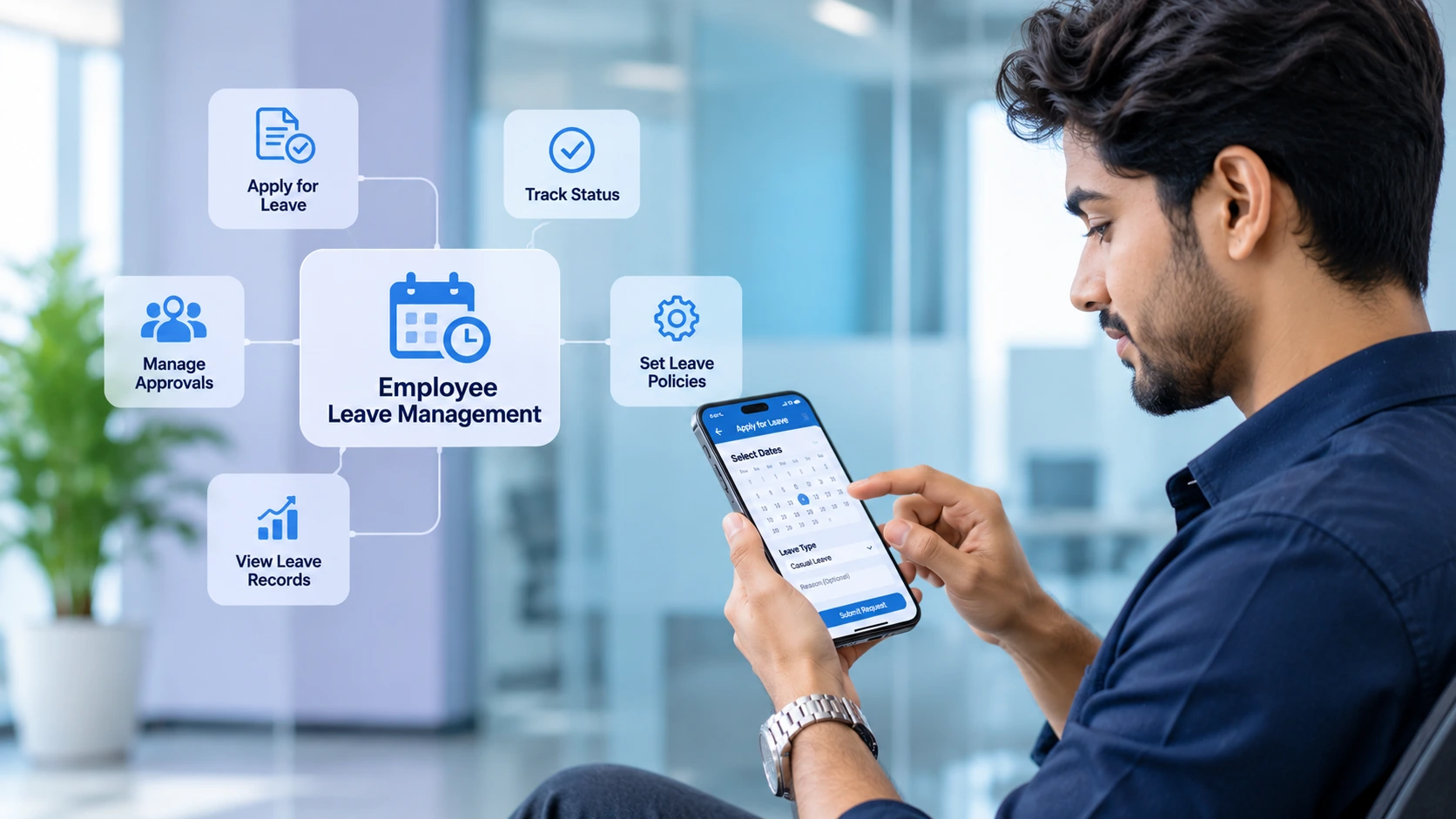
A leave management system may include:
- Digital leave applications
- Leave type and date selection
- Application reason entry
- Leave request status tracking
- Approval workflows
- Employee leave records
A centralized system helps make leave administration more organized and accessible.
Why Is Leave Management Important?
Effective leave management benefits both employees and organizations.
- Better Employee Experience: Provides a convenient way to request leave and track application status.
- Improved HR Efficiency: Reduces repetitive paperwork and manual recordkeeping.
- Better Workforce Planning: Helps managers coordinate employee absences and team availability.
- Transparent Processes: Makes leave application and approval statuses easier to track.
- Organized Records: Helps HR teams maintain consistent employee leave information.
Common Types of Employee Leave
Leave categories depend on organizational policies and applicable employment laws. Common types include:
- Casual Leave: Time off for personal matters and short-term requirements.
- Sick Leave: Leave for illness, medical appointments, and health-related circumstances.
- Annual Leave: Planned time off for vacations and personal activities.
- Earned Leave: Leave accumulated based on service or applicable organizational rules.
- Unpaid Leave: Approved time away from work without regular salary compensation.
- Maternity and Paternity Leave: Leave supporting employees during childbirth, adoption, and related family responsibilities, subject to applicable entitlements.
Common Challenges in Employee Leave Management
1. Manual Applications
Paper forms and emails create repetitive administrative work for employees and HR teams.
2. Delayed Approvals
Unclear approval responsibilities and poor request visibility can delay leave decisions.
3. Difficulty Tracking Status
Employees may struggle to determine whether their applications are pending, approved, or rejected.
4. Inaccurate Leave Records
Manual recordkeeping can lead to inconsistencies in employee leave information.
5. Workforce Coordination
Managing employee absences across departments and branches requires proper planning and communication.
Best Practices for Effective Leave Management
- Establish Clear Policies: Define leave categories, eligibility, application procedures, and approval responsibilities.
- Digitize Applications: Allow employees to submit leave requests through a centralized system.
- Define Approval Workflows: Clearly establish responsibilities for managers and HR administrators.
- Maintain Centralized Records: Keep employee leave applications and history organized.
- Encourage Communication: Provide employees with clear updates about application status.
- Review Policies Regularly: Ensure leave policies remain relevant and comply with applicable employment requirements.
What Is Employee Leave Management Software?
Employee leave management software is a digital solution for handling leave applications, approvals, and employee leave records.
Depending on the platform, it may offer digital application forms, leave date selection, application reasons, request status tracking, approval workflows, and employee leave history.
When integrated into an HRMS, leave management becomes part of a centralized employee management system.
How Velo6HR Simplifies Employee Leave Management
Velo6HR provides a digital approach to managing employee leave applications.
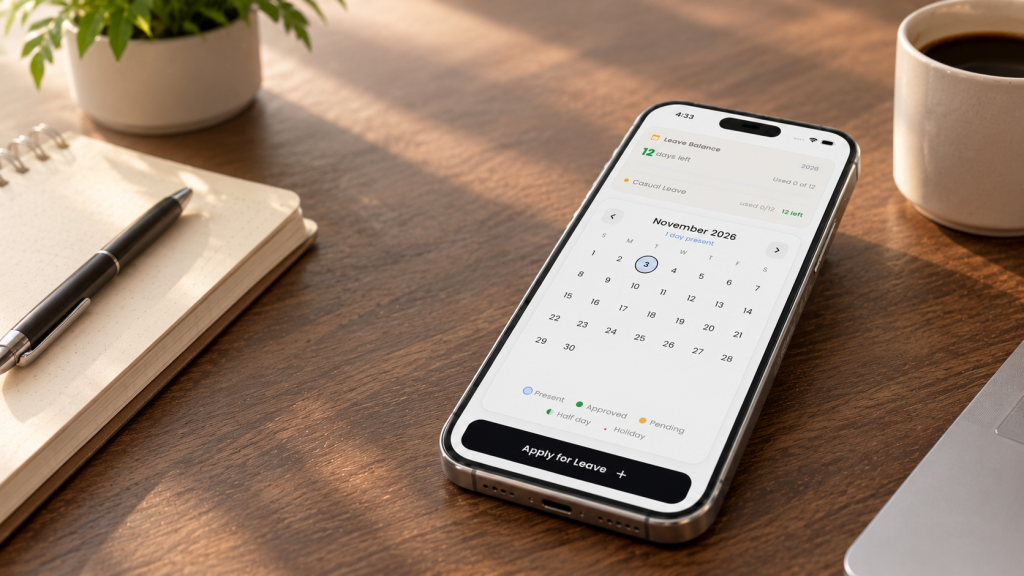
Employees can select leave types, choose requested dates, enter application reasons, and submit leave requests through the platform.
The system also supports leave request status tracking, allowing employees to monitor their applications.
By bringing these activities into a centralized HRMS platform, Velo6HR helps organizations simplify leave administration and create a more organized employee experience.
Conclusion
Effective employee leave management helps businesses maintain organized HR processes while improving employee convenience and workforce coordination.
Leave management software reduces manual administration, simplifies applications, improves request visibility, and supports centralized employee records.
Velo6HR helps organizations streamline leave applications and status tracking through a digital HRMS platform.
Simplify employee leave management with Velo6HR and create a more organized approach to workforce administration.